
Recent global climate and energy dialogues point to a decisive shift: the energy transition is no longer a matter of ‘if’, but 'how fast', and most critically, 'how intelligently'.
With high-stakes negotiations taking place last week through COP30 and G20 in Belém and Johannesburg, the European energy industry convened at Enlit Europe in Bilbao, where our team engaged in deep conversation with global leaders about how best to turn ambition into action, and accelerate the journey to decarbonisation.
The hard realities: The challenge of delivery
Both COP30 and the G20 highlighted the immense financial and political hurdles to climate action. While COP30 secured commitments to triple adaptation finance to meet the $1.3 trillion required by 2035, and acknowledged the critical need for grid infrastructure and flexibility, it also fell short of reaching a decisive fossil fuel phaseout agreement. This is a stark reminder that systemic change is hard-won. The G20 further emphasised the urgent need to mobilise trillions of dollars in green financing and address the cost of capital in the energy transition.
These global discussions paint a picture of an industry grappling with a crisis of delivery. It’s not just about building more renewables; it’s about making them work reliably and affordably within a rapidly evolving, yet often outdated, grid infrastructure.
Enlit Europe: Where the rubber meets the road
On the ground in Bilbao, the conversations were predominantly about specific and granular solutions - not big targets.
A few striking themes emerged from the many conversations the team and I had at Enlit:

1. Grid resilience is paramount
The industry is moving beyond simply adding capacity to focusing on adaptability, security and how to handle the daily reality of congestion and curtailment. Solutions like Grid Enhancing Technologies (GETs) and robust digital platforms are no longer optional - they are mandatory.
2. Intelligent software and the AI paradox
Moving beyond slow and expensive legacy technology, AI development and energy flexibility adoption will need to go hand in hand. How we leverage flexibility and grid management technologies to enable the expected explosion in AI computing must be part of the conversation, especially as data sovereignty concerns will likely drive demand for more data centre capacity.
The good news is, AI itself can be part of the solution. From helping operators reduce the time and expertise needed to service grid equipment, to forecasting, simulating and balancing - AI technology is a key enabler in this energy transformation.
3. Time to move from pilots to scale
While energy companies launch pilot programmes the same tech is already being deployed at scale in other markets. It’s time for retailers, especially in Europe, to better observe and trust developments across the global energy ecosystem so we can move past initial validation and begin mass rollouts.
This is especially true of grid flexibility and Virtual Power Plants (VPPs), solutions that are able to shift and shape demand in real time to manage volatility, reduce costs, and integrate more renewables. The benefits of this technology for customers, businesses and the system are clearer than they have ever been, yet fears of regional market differences hold back scaling. Beyond the surface though, the challenges facing markets are universally very similar, so we can afford to be bolder and faster in adopting these solutions once off the ground. AI is set to supercharge the value of flexibility through enhanced predictive analytics and proactive action. Watch this space.
4. The people shortage is real
The Enlit Industry Report highlighted the talent and skills shortage in the energy sector. We need to inspire a new generation to join this critical mission and, crucially, empower our existing workforce with digital tools and training to navigate the intelligent, flexible grid of tomorrow.
Acting with intelligence
The future of energy has to be smart, flexible, and fair.
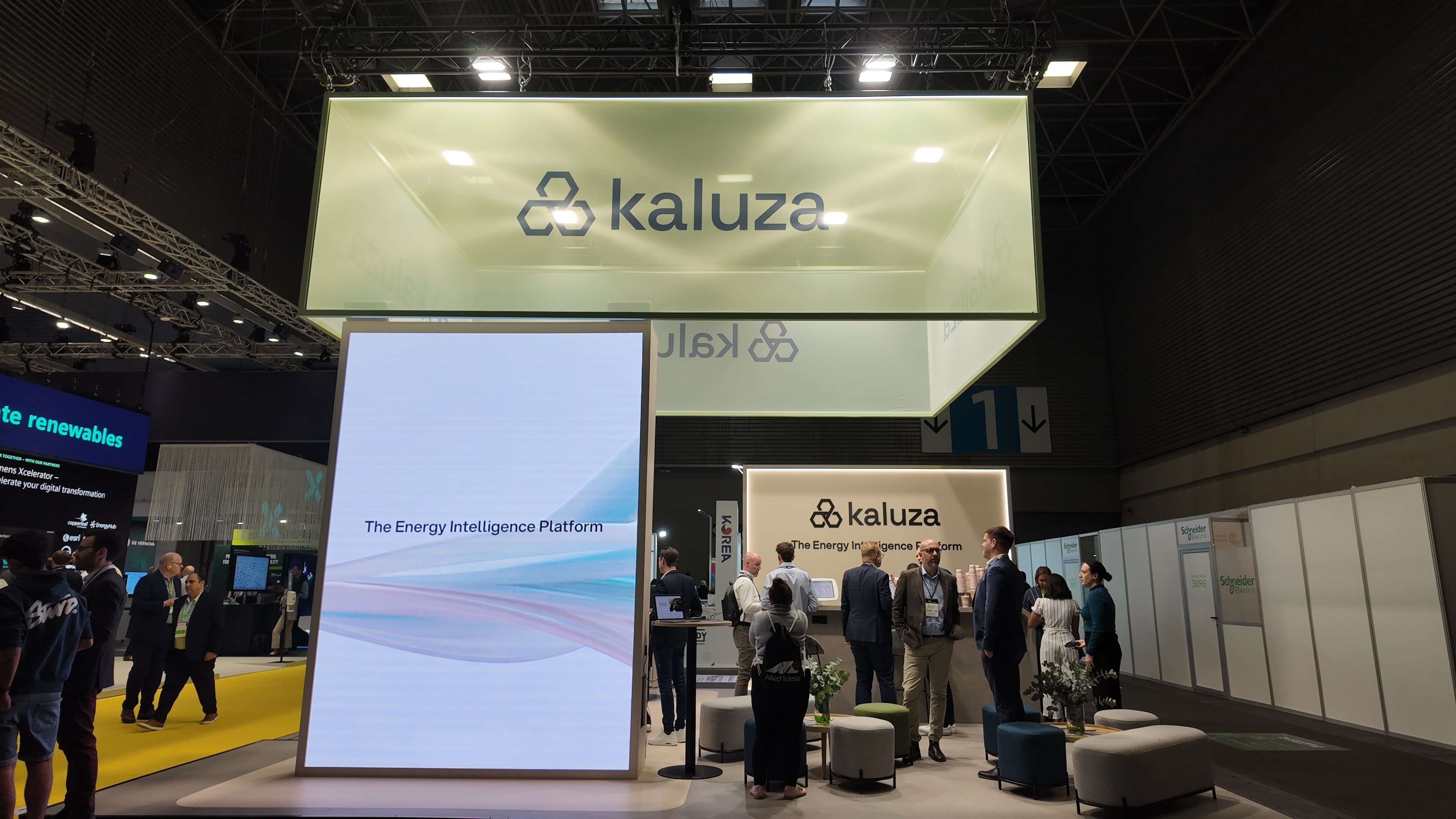
As we integrate the lessons from COP30, the G20, and Enlit, it’s clear that the energy transition demands not only urgent action, but technologies that enable us to orchestrate billions of real-time decisions across the energy system. Enabling greater data visibility, connectivity and intelligent action in one, seamless layer. It’s what we call ‘Energy Intelligence’ and is why Kaluza is on a mission to provide the Energy Intelligence Platform that energy companies need to:
- Optimise existing infrastructure by unlocking latent capacity and mitigating costly upgrades.
- Empower customers by turning every household and business into a flexible grid asset.
- Monetise flexibility, by enabling new propositions that increase the accessibility of low-carbon tech, such as heat pumps, EVs and solar panels. This allows energy companies to create competitive offerings and generate value for their customers, creating new revenue streams and making clean energy truly affordable.
- Build resilience, by building a stable, secure, and decarbonised energy system for all.
From Belém to Bilbao, the consensus is unanimous: in this era of delivery, we need to get serious about removing the blockers to success in the energy transition.
Bridging the gap between global climate targets and on-the-ground reality requires more than just capital; it requires a fundamental shift towards Energy Intelligence. By solving the complexity and cost challenges inherent to the transition, we can turn the grid’s most pressing bottlenecks into its greatest assets, proving that a decarbonised world can be built without compromising on reliability or affordability.
